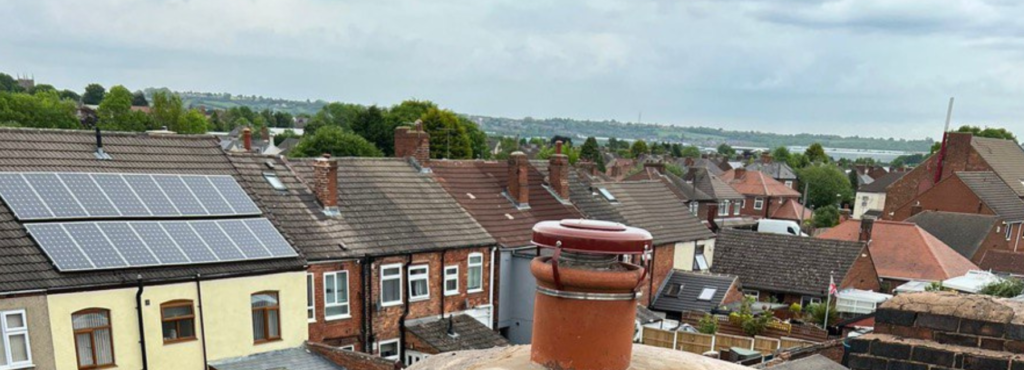
A proper assessment considers the roof as a complete weatherproofing system. Tiles, underlay, battens, flashing, roof junctions and drainage details must work together. Examining these connected elements gives a roofing contractor a stronger basis for recommending suitable repairs.
Finding the True Source of a Leak
Water does not always appear inside a property directly beneath the external defect. It may travel along underlay, timbers or other surfaces before becoming visible on a ceiling or wall.
A roofer will examine the pattern of internal dampness alongside likely external entry points. This helps distinguish the source from the place where the water finally appears, reducing the risk of repairing the wrong section.
Preventing Repeated Patch Repairs
A quick patch may temporarily reduce water ingress, but the problem can return if weakened materials nearby are overlooked. Repeatedly treating the visible symptom can consume time without delivering a dependable solution.
A wider assessment can identify whether the fault is isolated or connected to deteriorated underlay, loose fixings, defective flashing or another underlying issue. Addressing the cause provides a more effective repair than repeatedly covering the same symptom.
Establishing the Full Extent of Damage
A cracked tile or small opening may allow moisture to reach concealed parts of the roof. Battens, underlay, insulation and roof timbers may therefore need checking, even when the visible defect appears minor.
Understanding the extent of the damage before work begins allows repairs to be planned accurately. It also reduces the likelihood of discovering avoidable additional problems after the original repair has been completed.
Prioritising the Most Important Work
Some roofs develop several faults at the same time. Not every issue carries the same level of urgency, and dealing with them in the wrong order can leave the property exposed.
A professional assessment helps prioritise active leaks, unstable materials and defects likely to allow further water ingress. Less urgent maintenance can then be planned separately, giving the homeowner a clear and practical repair sequence.
Avoiding Unnecessary Replacement
Visible deterioration does not automatically mean that an entire roof needs replacing. If most of the covering and supporting structure remain serviceable, targeted repairs may be appropriate.
Equally, continuing with small repairs may not be sensible when defects are widespread. An assessment provides the evidence needed to distinguish between localised damage and broader roof failure, helping avoid both excessive work and ineffective patching.
Coordinating Repairs Efficiently
When several connected defects are identified during one inspection, the work can often be organised as a single, coherent repair plan. This reduces repeated visits, duplicated preparation and disruption to the household.
It also allows materials and access requirements to be considered in advance. A clearly defined scope helps the roofing team complete the necessary work methodically rather than responding to one newly discovered problem at a time.
Providing a Useful Record of Roof Condition
An assessment gives homeowners a clearer understanding of the roof’s present condition. This can include areas requiring immediate repair, parts that remain sound and features that should be monitored.
Knowing what has been checked makes future maintenance easier to plan. It also provides a useful reference if another symptom develops, rather than requiring the condition of the entire roof to be reconsidered from the beginning.
What a Thorough Assessment Should Cover
The inspection should be guided by the roof type and reported symptoms, but commonly includes:
- Tiles or slates and their fixings
- Ridges, hips, valleys and verges
- Flashing around chimneys and roof junctions
- Underlay and battens where accessible
- Gutters and roof drainage points
- Flat-roof edges, seams and outlets
- Internal signs of dampness or timber deterioration
- Previous repairs and their surrounding materials
The purpose is not simply to compile a list of defects. It is to understand how those defects relate to one another and determine the most suitable corrective work.
Conclusion
A professional roofing assessment can save time and money by identifying the true cause of a problem, clarifying the extent of damage and preventing ineffective repeat repairs. It also helps homeowners prioritise essential work and avoid replacing sound materials unnecessarily.
If your roof is leaking, deteriorating or developing recurring faults, Redhill Roofing Repairs can provide a careful assessment and clear repair recommendations. Contact our team in Redhill, Surrey, to arrange an inspection and determine the appropriate next step.
Call us on: 01737 949 790
Click here to find out more about Redhill Roofing Repairs
Click here to complete our contact form and see how we can help with your roofing needs.