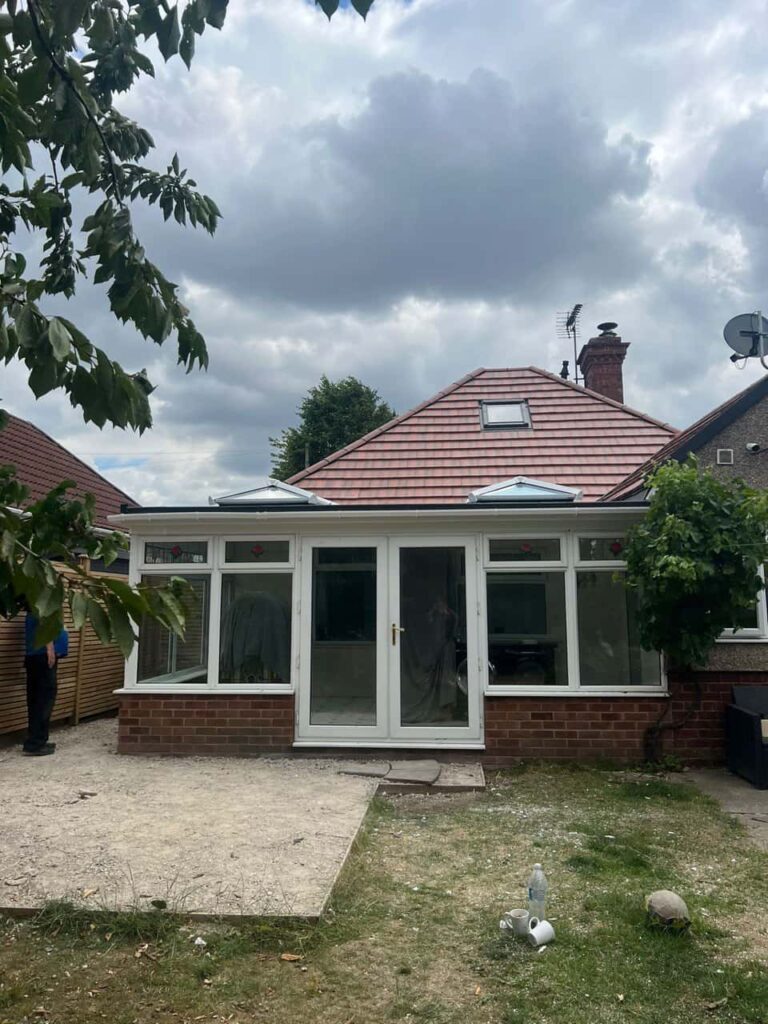
Some roofing problems can be inspected and repaired through a planned appointment, while others require much faster attention. The difference often depends on whether the defect is allowing water into the property, creating unstable materials or leaving a large section of the roof exposed.
For property owners in Redhill, Surrey, recognising the signs of an urgent roofing problem can help limit further deterioration. A professional contractor can identify the source and extent of the damage before carrying out a suitable repair or installing a temporary protective measure where immediate permanent work is not practical.
Signs That You May Need Emergency Roof Repairs
Roof damage is not always visible from ground level. The following problems should be treated seriously, particularly when they appear suddenly or worsen during poor weather.
Water Is Entering the Property Rapidly
A small stain that develops gradually should be investigated, but active dripping or running water requires quicker action. Significant water ingress may spread into ceilings, walls, insulation and adjoining rooms.
The visible drip is not necessarily beneath the point where rain is entering the roof. Water can travel along underlay, rafters and other surfaces before appearing indoors. A professional inspection is therefore needed to trace the route of the moisture rather than simply treating the internal symptom.
Part of the Roof Covering Is Missing
Strong winds can remove tiles, slates or sections of a flat-roof covering. Even a relatively small exposed area may allow rain to reach the materials beneath.
Urgency depends on the location and extent of the damage. Missing materials around ridges, valleys, roof edges and junctions can be especially significant because these areas already manage considerable weather exposure or volumes of water.
Tiles or Slates Are Hanging Loose
A slipped tile that remains partly attached can be less obvious than one that has fallen completely. However, it may move further without warning, while the gap behind it leaves the roof vulnerable to water ingress.
Several displaced tiles may indicate that surrounding fixings or supporting components have also deteriorated. A contractor should inspect the wider area rather than replacing only the most visible unit.
The Ceiling Is Bulging or Sagging
A ceiling that changes shape following rainfall may be holding moisture above its surface. Discolouration, cracking and localised sagging can all indicate that water has accumulated within the ceiling structure.
Keep people and belongings away from the affected area and avoid disturbing it. The roof defect and the extent of the moisture should be assessed promptly so that the cause can be addressed safely.
Storm Damage Has Affected Several Roof Components
Severe weather can damage more than the main roof covering. Ridge materials, flashing, verge sections, guttering and flat-roof edges may all be affected.
A quick visual check from the ground may reveal obvious faults, but hidden damage can remain beneath materials that appear to be in place. If debris has fallen or the roof looks different after a storm, a professional inspection can establish whether any sections have loosened.
Leadwork or Flashing Has Lifted
Leadwork and other flashing materials protect junctions where the roof meets chimneys, walls and adjoining surfaces. If flashing lifts, splits or pulls away, water can enter behind the roof covering.
Temporary surface sealing may conceal the opening without addressing movement or failure beneath it. A lasting repair depends on inspecting the complete junction and restoring it with suitable detailing.
A Flat Roof Has Torn or Lifted
Flat roofing can become vulnerable when membranes split, edges lift or sections develop punctures. Once the covering is breached, moisture may spread beneath the surface and become trapped within the roof build-up.
Ponding water combined with visible damage should receive prompt attention. The contractor will need to determine whether the defect is localised or whether a wider section of the covering has been affected.
The Roof Structure Appears to Have Moved
A newly visible dip, distorted roofline or displaced structural section can indicate a more serious problem than a missing tile. Unusual movement may follow impact, prolonged moisture exposure or the failure of supporting components.
Do not attempt to inspect the area by climbing onto the roof. Keep clear of any affected section and contact a professional contractor for an urgent assessment.
What to Do While Waiting for a Roofer
Your first priority should be keeping people away from areas where materials or water-damaged ceilings could fall. If it is safe to do so, move belongings away from active leaks and use a container to collect dripping water.
Avoid climbing onto the roof or attempting temporary repairs during poor weather. Photos taken safely from ground level, along with details of when the problem began, can help the contractor understand the situation before arriving.
What an Emergency Roofing Assessment Should Check
An emergency visit should do more than cover the visible opening. The contractor should assess:
- the likely point of water entry
- the condition of surrounding tiles, slates or membranes
- ridges, valleys, flashing and roof edges
- accessible underlay and supporting materials
- the extent of internal moisture
- whether temporary protection or an immediate repair is appropriate
- whether further work will be required once conditions improve
This broader approach helps prevent an obvious defect from distracting attention from related damage elsewhere on the roof.
Conclusion
You should contact a professional roofing contractor promptly when water is entering rapidly, roof materials are loose or missing, a ceiling is sagging, or the roof structure appears to have moved. Storm damage, lifted flashing and torn flat-roof coverings can also require urgent assessment even when the full extent of the problem is not immediately visible.
If you discover an urgent roofing problem at your property in Redhill, Surrey, contact Redhill Roofing Repairs. The team can assess the damage, identify the immediate priorities and recommend an appropriate course of action without overstating the work required.
Call us on: 01737 949 790
Click here to find out more about Redhill Roofing Repairs
Click here to complete our contact form and see how we can help with your roofing needs.