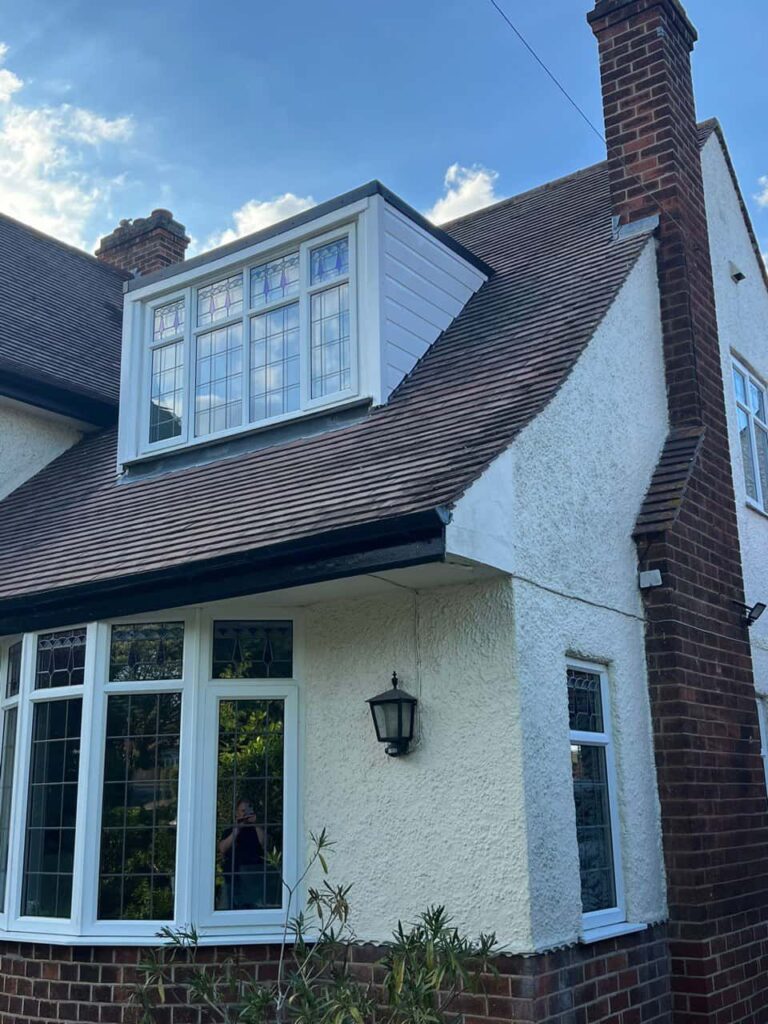
Roof repairs are often highly effective when deterioration is confined to a particular area. However, there comes a point when repeatedly repairing individual defects may no longer address the overall condition of an ageing or extensively damaged roof. In these circumstances, re-roofing can provide a more comprehensive solution.
For homeowners in Redhill, Surrey, re-roofing offers an opportunity to deal with widespread problems across the roofing system rather than continuing to address symptoms individually. The key is establishing whether the existing roof has reached the stage where more substantial work is appropriate.
What Does Re-Roofing Involve?
Re-roofing generally involves removing an existing roof covering and installing a new roofing system. This process exposes areas that would normally remain hidden beneath tiles or other roofing materials, allowing the underlying condition to be properly assessed.
Depending on the roof, the work may involve attention to:
- Roof tiles or slates
- Battens
- Roofing underlay
- Flashing and junctions
- Ridge and verge details
- Damaged underlying components
This makes re-roofing considerably more comprehensive than repairing isolated surface defects.
Widespread Tile Deterioration
Replacing an occasional cracked or slipped tile is a normal part of roof maintenance. The situation changes when deterioration becomes widespread.
Older roof coverings may develop increasing numbers of:
- Cracked tiles
- Brittle tiles
- Loose materials
- Weathered surfaces
- Repeatedly displaced sections
When problems occur throughout the roof rather than in one isolated location, re-roofing can restore a consistent protective covering across the property.
Recurring Roof Leaks
A single leak usually has a specific cause that can often be repaired. Multiple or recurring leaks can indicate a broader problem.
If water repeatedly enters through different areas, individual repairs may no longer address the condition of the roofing system as a whole.
Re-roofing allows vulnerable areas to be dealt with comprehensively, providing a new weather-resistant barrier rather than relying on numerous separate repairs.
Deteriorated Roofing Underlay
The visible tiles are only one part of a complete roofing system. Beneath them, underlay provides an additional layer of protection against moisture.
Older underlay can deteriorate, tear or become ineffective over time. Because it sits underneath the roof covering, repairing widespread underlay problems without removing the covering can be difficult.
Re-roofing provides access to this hidden layer so deteriorated materials can be renewed where necessary.
Problems With Roof Battens
Battens support tiles and help maintain their correct positioning across the roof.
Long-term moisture exposure or deterioration can affect these components. When the roof covering is removed during re-roofing, the condition of the battens can be properly examined.
Unsuitable or damaged sections can then be addressed before the new covering is installed, helping create a stronger foundation for the finished roof.
Persistent Problems Caused by Previous Roofing Work
Some roofs develop repeated problems because older work was poorly executed or because repairs carried out at different times have left inconsistent detailing.
Potential issues can include:
- Uneven tile positioning
- Weak junctions
- Poorly finished details
- Inconsistent previous repairs
- Vulnerable sections around roof features
Re-roofing provides an opportunity to correct these problems systematically rather than continuing to work around earlier defects.
Age-Related Roof Deterioration
A roof can reach a stage where no individual defect is responsible for its condition. Instead, years of weather exposure may have caused general deterioration across numerous components.
Signs can include frequent tile problems, worn detailing and increasing maintenance requirements.
At this point, the question is not simply whether another repair can be completed. It is whether that repair will provide a meaningful long-term improvement.
A professional assessment can determine whether targeted repairs remain appropriate or whether re-roofing should be considered.
Problems Around Flashing and Roof Junctions
Roof junctions require particularly careful weatherproofing. Chimney areas, valleys and places where different roof sections meet can become vulnerable as materials deteriorate.
During a re-roofing project, these details can be reassessed as part of the wider installation rather than treated as isolated repairs.
Correct detailing is essential because even a well-installed roof covering can experience water ingress if its vulnerable junctions are not properly protected.
Uneven and Inconsistent Roof Coverings
Years of individual repairs can sometimes leave a roof containing materials of different ages and conditions. Although individual repairs may remain functional, the roof as a whole can become increasingly inconsistent.
Re-roofing creates a uniform covering across the affected roof area. This can improve both weather resistance and appearance while simplifying future maintenance.
Hidden Damage Can Be Identified
One significant advantage of re-roofing is the ability to examine parts of the roof that are normally concealed.
Once the old covering is removed, previously hidden deterioration may become apparent. Identifying these problems before installing the new covering is essential because simply placing new materials over defective underlying components would not provide a satisfactory result.
A properly managed re-roofing project addresses the roof from the supporting layers outwards.
Re-Roofing Is Not Always Necessary
Although re-roofing can correct substantial roofing problems, it should not automatically be recommended whenever a roof develops a defect.
If the roof remains generally sound and deterioration is confined to one area, a professional repair may be entirely sufficient.
Typical repairable problems can include:
- Individual slipped tiles
- Localised flashing defects
- Minor storm damage
- Isolated leaks
- Small areas of deteriorated mortar
The appropriate solution should always depend on the actual condition of the roof.
Why a Professional Assessment Matters
Determining whether to repair or re-roof requires an understanding of how the entire roofing system is performing. Simply counting damaged tiles does not provide the full picture.
At Redhill Roofing Repairs, we assess roofs throughout Redhill, Surrey, to identify both visible defects and the underlying reasons problems are developing. Where repairs remain suitable, targeted work can help preserve the existing roof. Where deterioration has become widespread, re-roofing may provide the more dependable long-term solution.
This considered approach ensures the work recommended reflects what the roof genuinely requires.
Conclusion
Re-roofing can correct a wide range of problems, including widespread tile deterioration, recurring leaks, deteriorated underlay, damaged battens, ageing materials and weaknesses left by previous roofing work. Most importantly, it provides an opportunity to address the roofing system comprehensively rather than continuing to repair individual symptoms.
However, not every damaged roof requires replacement. Professional assessment is essential to distinguish between problems that can still be repaired effectively and deterioration that has progressed far enough to justify re-roofing.
For homeowners in Redhill, Surrey, Redhill Roofing Repairs can assess the condition of your roof and recommend an appropriate solution based on its current performance. If recurring problems are becoming increasingly difficult to resolve, a professional inspection can establish whether targeted repairs or re-roofing will provide the most reliable way forward.
Call us on: 01737 949 790
Click here to find out more about Redhill Roofing Repairs
Click here to complete our contact form and see how we can help with your roofing needs.